If you’re looking for rural tourism in Mallorca, you’re in the right place. I’ll tell you, in first person, how to choose the area and accommodation type (finca, agrotourism, rural house, or a boutique country hotel), how to move around without wasting time, and which itineraries genuinely work. The approach is practical: routes, real travel times, driving tips, and the small details that matter when you mix stone villages, hidden coves, and wineries.
In our experience, leaving the airport with your car ready in 5 minutes sets the tone of the trip: you reach your rural accommodation sooner and still have time for your first route that afternoon. The express service is 5 minutes from Palma Airport, with a clear pick-up point at Parking G and a courtesy minibus at the meeting point.
Key areas for rural tourism in Mallorca
Quick takeaway: choose the area based on your main plan (hiking, coves, villages, long beaches).
- Serra de Tramuntana (west & northwest): the classic rural Mallorca postcard. Stone villages, terraces, viewpoints, and iconic trails (GR-221). Ideal if you prioritize hiking and scenic drives (MA-10). Stays: fincas and boutique country hotels in valleys with orange groves and olive trees. Driving tip: low gears on mountain passes, park at the edges, and explore old towns on foot.
- Pla de Mallorca (inland): a great “base” for families. Flat agricultural landscapes, spacious fincas, and strong value for space. Less traffic and easy access to the whole island in 45–60 min. Perfect for mixing inland days with cove days.
- Llevant (east): the sweet spot between clear-water coves and quiet villages. If you want finca life but wake up craving turquoise water, this is your zone. Friendly local roads—great if you want stress-free driving.
- Migjorn (south): long beaches and a wide-open feel. Rural stays close to the coast, but quiet nights. In summer, start early for easy parking and come back at sunset.
Real freedom: unlimited mileage and a full-to-full fuel policy. That way you can link Tramuntana + Llevant coves without thinking about surcharges or fuel surprises.
Types of rural accommodation
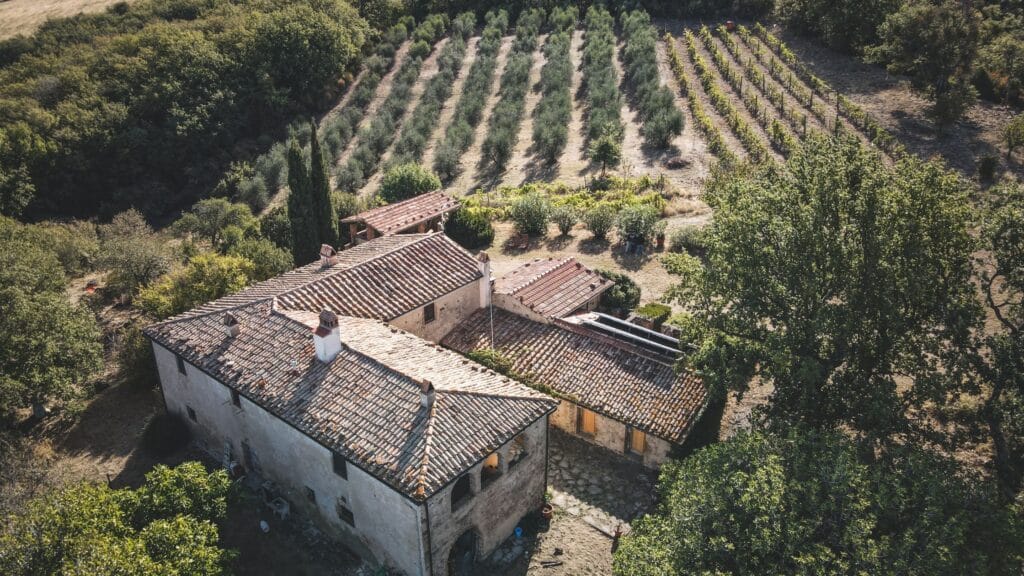
Agrotourism: working farms (vineyards, olive groves, gardens) with a delicious “farm-to-table” feel. If you travel with kids, ask about animals or a small learning garden.
- Rural finca (entire place): total independence—ideal for groups or families who want their own kitchen, BBQ, and pool. Check licenses, noise rules, and on-site parking.
- Rural house (rooms or entire place): a balance of price and service. Watch distance to supermarkets and mobile coverage if you’ll work remotely.
- Boutique rural hotel: “hotel” comforts (breakfast, small spa) in historic buildings. Great for short getaways or couples.
Decision keys
- Location vs. your key interests (coves, markets, hikes).
- Access (narrow rural track vs. paved road) and parking.
- Season: heating for autumn/winter; AC and shade in summer.
- Rules: parties, music, late check-in.
Many guests love when everything is crystal-clear: full cover with no excess, no card blocks, free cancellation up to 24 h, and free additional drivers. It’s peace of mind when accommodation and car are both on rails.
How to get around: routes and real travel times from the airport
Right after landing, the simplest move is taking MA-19 or linking to MA-20 to leave Palma quickly; if you’re heading to the Serra de Tramuntana, MA-10 delivers gentle curves, viewpoints, and stone villages that already feel like part of the trip. From the airport, expect 35–45 minutes to a finca in the Pla de Mallorca (Sencelles, Petra); towards the Llevant (Artà, Son Servera), plan 55–70 minutes. For the Tramuntana (Valldemossa, Deià), allow 40–60 minutes, and to Migjorn (Campos, Ses Salines) usually 40–55 minutes, as long as you avoid peak traffic.
Driving in Mallorca rewards a calm pace. In mountain passes, use engine braking and save the brakes; in towns, park on the outskirts and walk into the old centre. If your plan includes popular summer coves, early mornings make the difference—always keep a plan B in case parking fills up.
Leaving the airport is straightforward: you notify us on arrival, walk to the transport meeting point, and the courtesy minibus takes you to the car. In five minutes, you’re on the road—no detours, ready to start your route.
“Rural” beaches and coves: sleep near the coast without losing the quiet
Staying inland and dipping into coves is a great combo, but you can also choose fincas near the coast: wake up to roosters, slow breakfast, and be in the water in 15–25 minutes.
Checklist to choose well
- Check the real distance to the cove (and whether there’s a trail).
- Ask about shade and showers at the beach parking area.
- If you’re with kids, prioritize gentle-entry beaches and a finca pool to alternate days.
A tip we always repeat: pair a lighthouse-at-sunset route with dinner in an inland village; the night drive back feels easy when everything is planned—and with free additional drivers to share the wheel.
Budget and season: price ranges and how to save
- High season (Jun–Sep): higher demand and prices; book months ahead.
- Shoulder (Apr–May, Oct): the best balance of weather, availability, and rates.
- Low (Nov–Mar): best prices, local life, crowd-free routes (use heating in stone houses).
Tips that actually save money
- Stay inland (Pla): more space for less, and beaches within easy driving distance.
- Plan ahead: flights + car + finca sell out fast.
- Full-to-full fuel: you control costs, no surprises at return.
- Free cancellation 24h: adjust if the forecast changes.
Suggested 3- and 5-day itineraries
3 days (first taste)
Day 1 – Inland + viewpoints: express arrival, check-in at a Pla finca, late afternoon in Sineu/Petra and a nearby viewpoint. Slow-food dinner.
Day 2 – Essential Tramuntana: Valldemossa → Deià → Sóller, viewpoints and seafront stroll. Drive slowly (MA-10) and park in designated areas.
Day 3 – Llevant cove: beach in the morning, finca siesta, and sunset at a lighthouse.
5 days (balanced)
Day 1: arrival + inland village.
Day 2: stone-village route (Biniaraix, Fornalutx).
Day 3: east coves and a local market.
Day 4: wineries & km-0 produce; afternoon on a long Migjorn beach.
Day 5: easy trail + Palma shopping; stress-free return.
We’ve seen it first-hand: an urban hybrid handles MA-19/20 and narrow streets well, and it’s solid on Tramuntana curves; reviews often highlight fuel economy and agility.
Practical tips before you book
- Location: calculate times from the airport and to your daily plans.
- Access & parking: ask about the road in and the space on the property; avoid blind turns at night.
- Services: distance to supermarkets, petrol stations, and restaurants.
- Clear policies (car & accommodation): full cover no excess, no deposits, free extra drivers, 24h cancellation.
- Check-in: coordinate arrival; if your flight is delayed, let them know.
- Luggage: soft bags fit better in compact-car trunks and roof boxes.
If anything gets complicated, we look for fast, no-fine-print solutions; that “supported trip” feeling is what people value most: close attention, transparency, and quick responses when issues appear.
FAQ about rural tourism in Mallorca
Do I need a car for rural tourism?
Yes, unless you stay in one village only. Many fincas and coves are far from public transport. A car helps you optimize time and link plans.
How do I pick up the car after landing?
Very simple: call us when you arrive, go to the Transport Meeting Point (reference: “Bar FG Coffe”), hop on the courtesy minibus, and in 5 min you’re in your car. You’ll receive clear instructions by email.
Which fuel and insurance policy do you recommend?
Full-to-full and full cover with no excess: maximum control, zero surprises. No card blocks or deposits, free extra drivers, and cancellation up to 24 h add real peace of mind.
Best time to go?
Spring and autumn: mild weather, comfortable routes, moderate prices. In summer, start early for coves and dine late; in winter, inland plans and markets.
Enjoy rural tourism in Mallorca
Rural tourism in Mallorca works when you match area + accommodation type + mobility. From our operational experience, the winning plan is: an inland finca, mornings of coves or hiking, afternoons of village/market/winery, and slow driving. If you take one idea: plan in blocks and nail the arrival/parking logistics; the rest is pure enjoyment.